 08045478688
 08045478688

 Send Inquiry
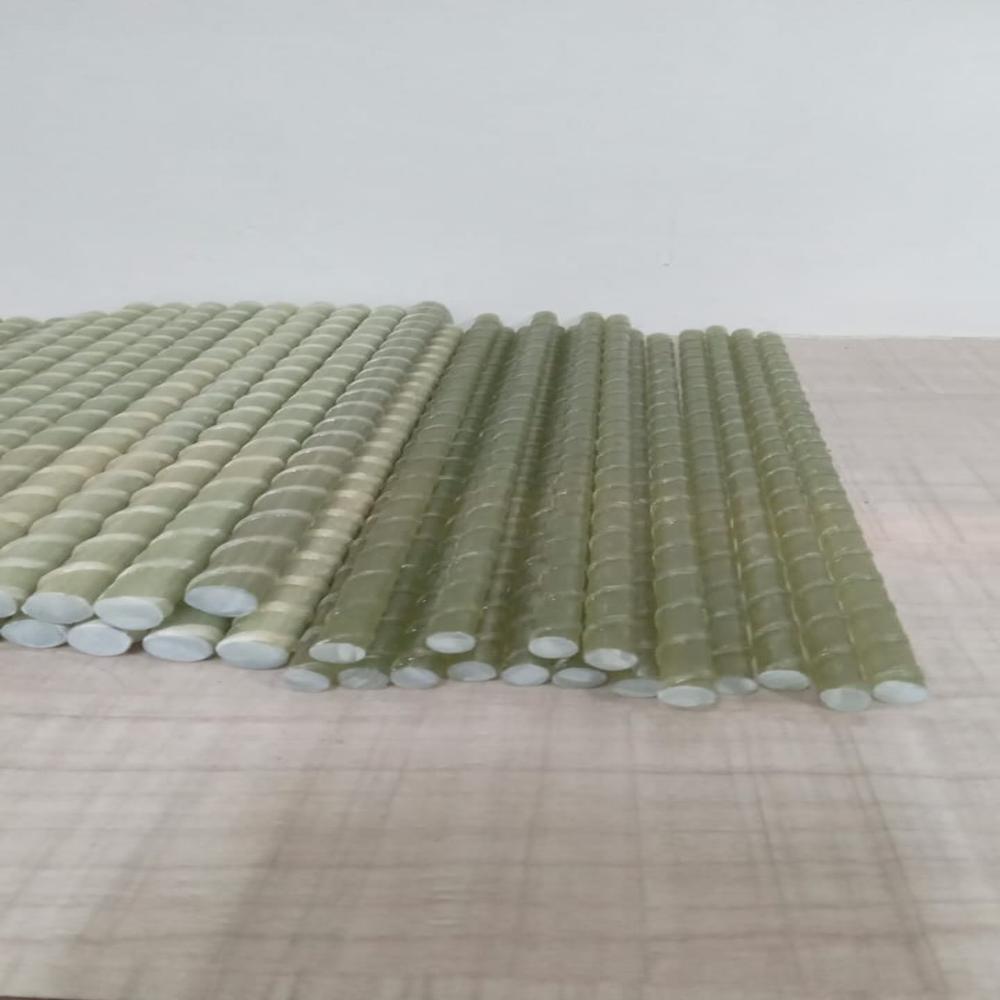
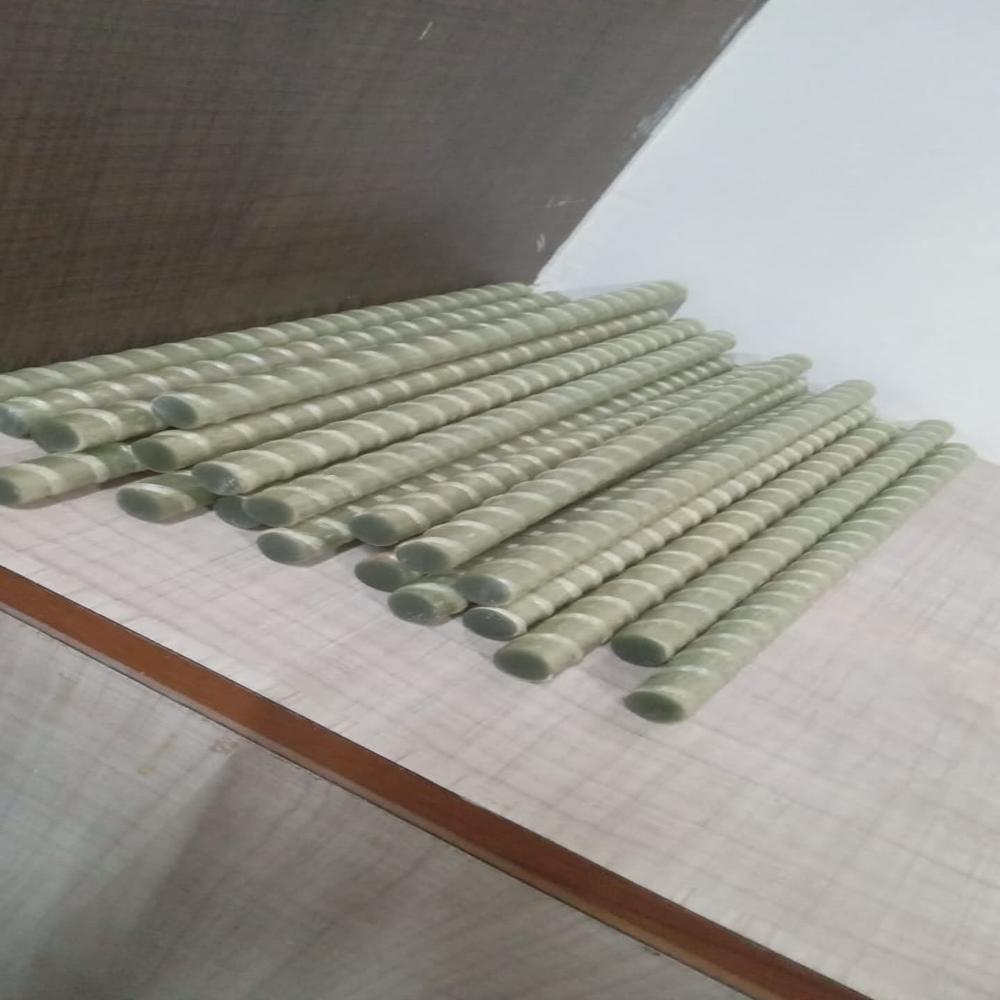
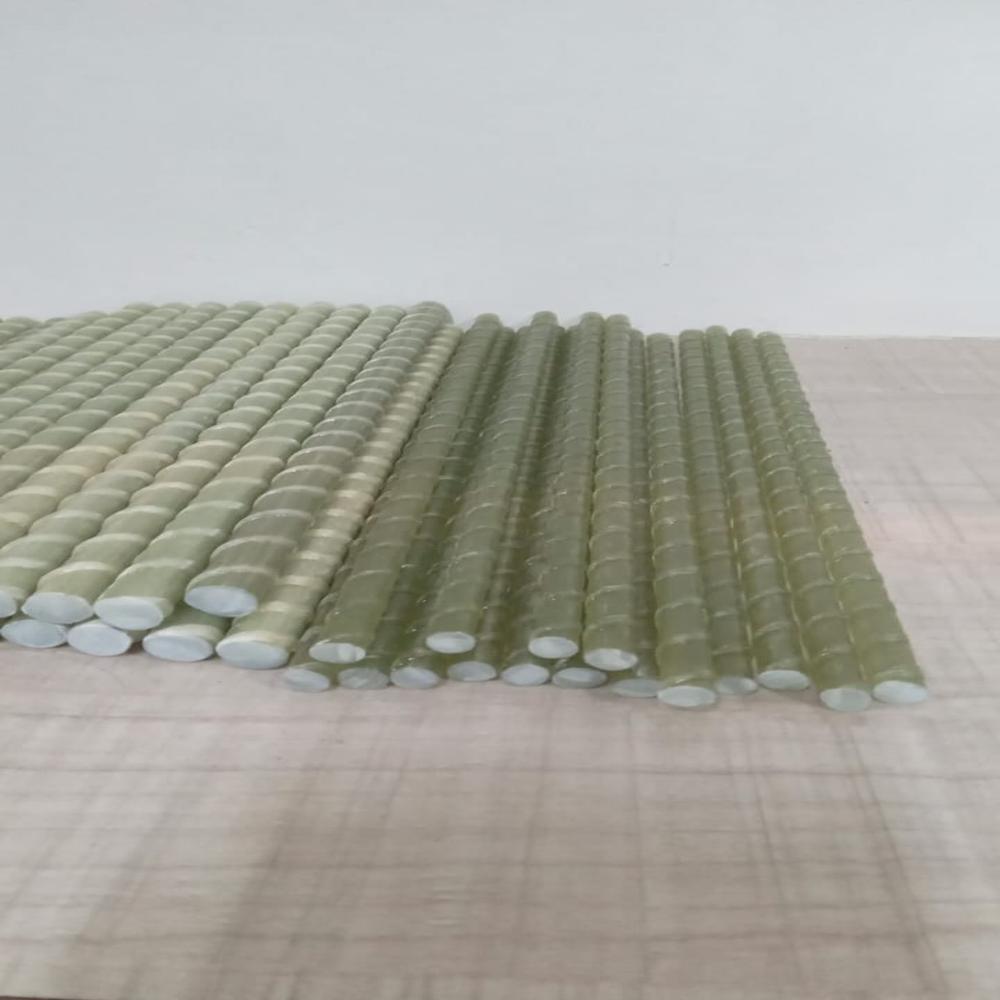
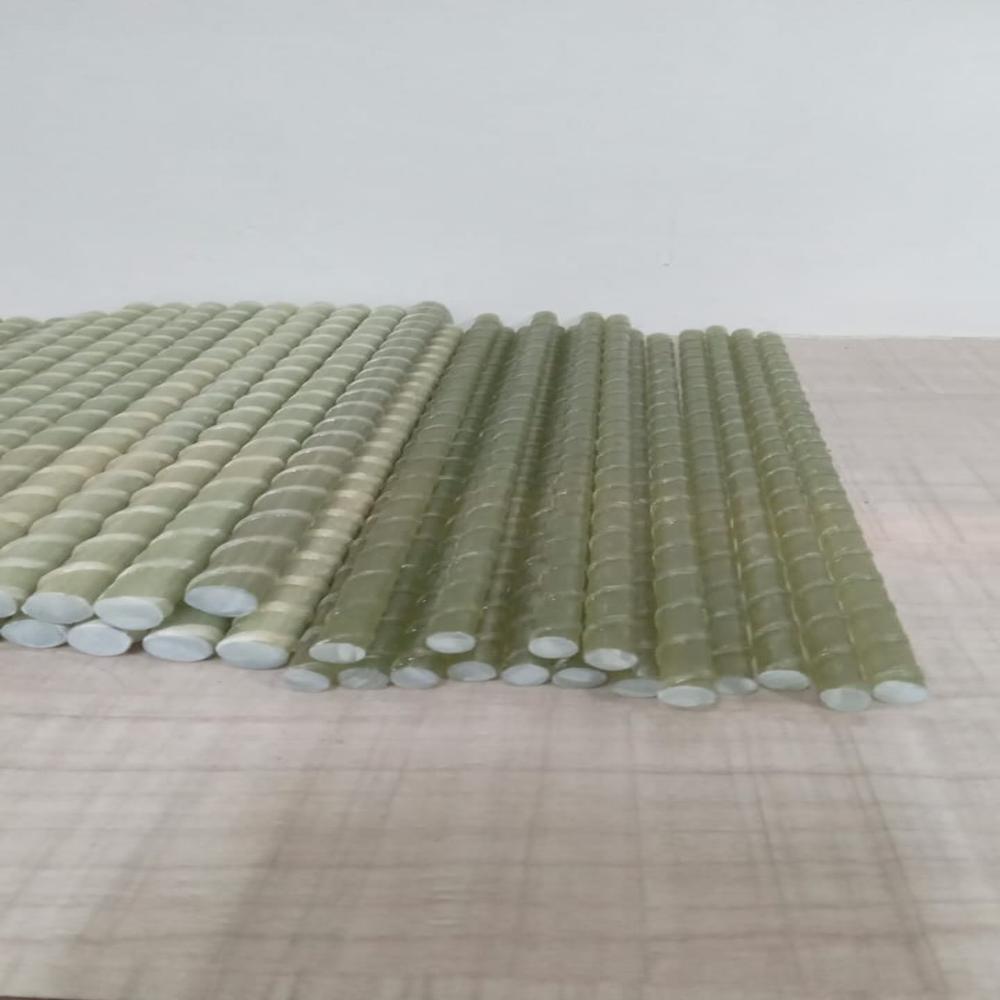
Glass Fiber Reinforced Polymer Rebar
Price 180.0 INR/ Kilograms
MOQ : 500 Kilograms
Glass Fiber Reinforced Polymer Rebar Specification
- Shape
- Round
- Glass Type
- E-glass
- Thickness
- As per diameter specification (6mm, 8mm, 10mm, 12mm, etc.)
- Density
- 2.1 Gram per cubic centimeter(g/cm3)
- Temperature
- -40C to 120C
- Usage & Applications
- Reinforcement in concrete, Corrosive environments, Seawalls
- Thermal Conductivity
- 0.25 - 0.35 W/mK
- Coating Type
- Epoxy Resin Based Coating
- Material
- Glass Fiber Reinforced Polymer (GFRP)
- Application
- Construction, Infrastructure, Marine Structures, Bridge Decks, Tunnels, Roadways
- Technique
- Pultrusion Process
- Surface Treatment
- Ribbed / Sand Coated
- Dimension (L*W*H)
- Customized (commonly 6m - 12m length; Diameter: 6mm - 40mm)
- Color
- Available in Green, Yellow, Custom Colors
- Water Absorption
- < 0.25%
- Tensile Strength
- 1000 MPa
- Corrosion Resistance
- Excellent - non-corrosive in salt, acidic and alkaline environments
- Fire Resistance
- Good, but should be specified according to application
- Melting Point
- Above 1000C (glass fibers)
- Modulus of Elasticity
- 45 GPa - 60 GPa
- Electrical Conductivity
- Non-conductive
- Bond Strength to Concrete
- Comparable or higher than steel rebar
Glass Fiber Reinforced Polymer Rebar Trade Information
- Minimum Order Quantity
- 500 Kilograms
- Delivery Time
- 7 Days
Glass Fiber Reinforced Polymer Rebar About
GFRP Rebar (Glass Fiber Reinforced Polymer Rebar) is a high-strength composite reinforcement bar made from glass fibers embedded in a polymer resin matrix. It is designed as a modern alternative to traditional steel reinforcement bars in concrete structures. GFRP rebars are widely used in construction projects where corrosion resistance, lightweight properties, and long service life are important.
Unlike steel rebars, GFRP rebars do not rust or corrode when exposed to moisture, chemicals, or saltwater. This makes them ideal for applications such as bridges, marine structures, coastal buildings, tunnels, highways, and water treatment plants. The outer surface is usually sand-coated or ribbed to provide excellent bonding with concrete.
GFRP rebars are approximately 45 times lighter than steel, making transportation and installation easier while maintaining very high tensile strength. Due to their non-magnetic and non-conductive properties, they are also used in projects where electromagnetic interference must be avoided, such as hospitals, laboratories, and power plants.
These reinforcement bars provide long-term durability, high tensile performance, and minimal maintenance costs, making them increasingly popular in modern infrastructure and civil engineering projects.
Exceptional Performance in Corrosive Environments
Glass Fiber Reinforced Polymer Rebar stands out for its outstanding resistance to corrosion, making it ideal for use in harsh environments exposed to salts, acids, or alkalis. Its non-conductive nature, minimal water absorption, and robust bond to concrete ensure consistent structural integrity over time, reducing maintenance and replacement costs.
Versatile Applications and Customization
Offered in various diameters, lengths, and custom colors, GFRP rebar can be tailored to meet diverse requirements. It's widely used by dealers, distributors, manufacturers, and service providers in infrastructure, marine, and construction projects where durability and reliability are essential. Its adaptability allows it to replace steel rebar in many demanding projects.
FAQ's of Glass Fiber Reinforced Polymer Rebar:
Q: How is Glass Fiber Reinforced Polymer Rebar manufactured?
A: GFRP rebar is produced using the pultrusion process, where continuous E-glass fibers are drawn through a resin bath and then cured in a heated die, resulting in a robust composite rebar with an epoxy resin-based coating.Q: What are the primary benefits of using GFRP rebar over traditional steel rebar?
A: The main advantages include superior corrosion resistance, non-conductivity to electricity, high tensile strength (1000 MPa), lighter weight, excellent bond to concrete, and customizable options for color, length, and diameter.Q: Where can GFRP rebar be used effectively?
A: GFRP rebar is ideal for construction, infrastructure, marine structures, bridge decks, tunnels, seawalls, and roadways, particularly in environments prone to corrosion from saltwater, chemicals, or extreme temperatures.Q: What is the typical process for installing GFRP rebar in construction projects?
A: Installation of GFRP rebar follows similar methods as steel rebar, including cutting, tying, and placement in concrete forms. Standard construction practices apply, with care taken due to its higher flexibility and lower thermal expansion.Q: When should GFRP rebar's fire resistance be specifically considered?
A: Fire resistance should be addressed during the design phase for applications requiring defined performance at elevated temperatures. While GFRP rebar has good fire resistance, consultation is recommended to ensure it meets project requirements.Q: What colors and sizes are available for GFRP rebar?
A: GFRP rebar comes in green, yellow, or custom colors with diameters ranging from 6mm to 40mm. Lengths are generally customizable between 6 meters and 12 meters, or as specified by the client.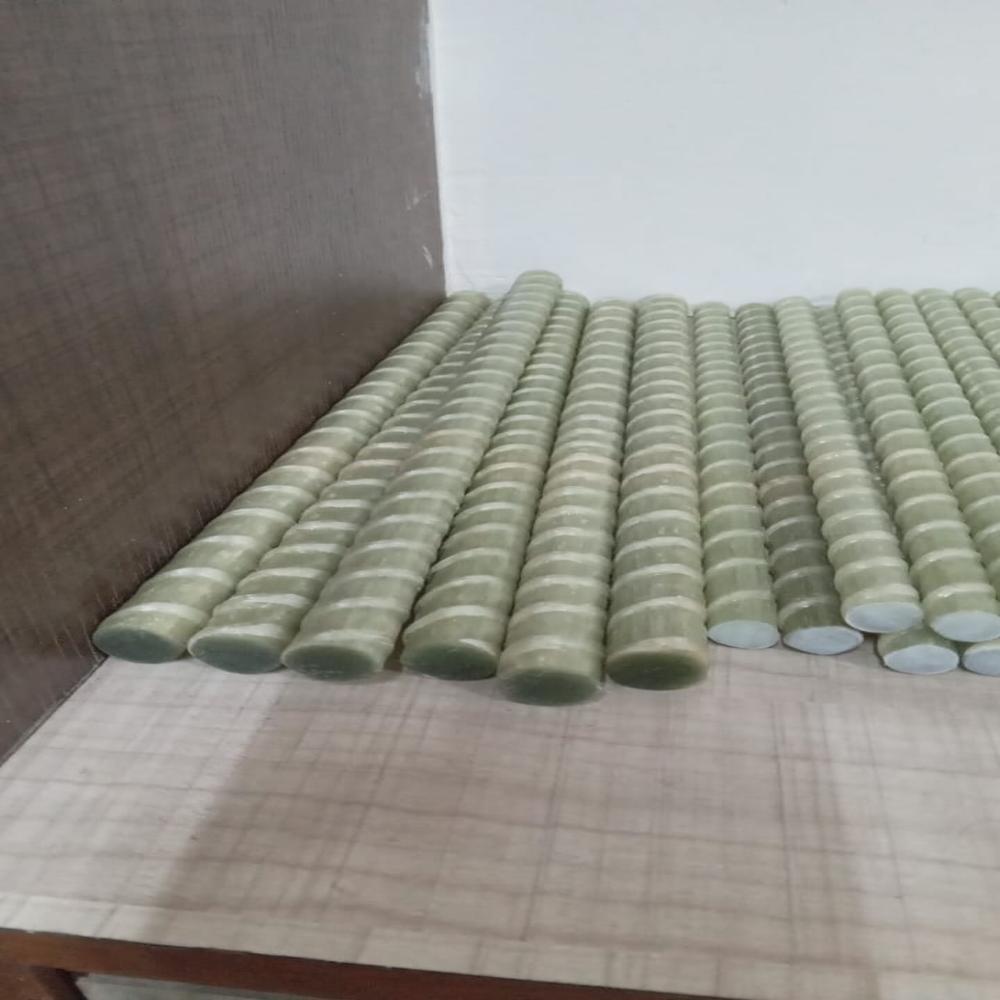
Tell us about your requirement

Price:
Quantity
Select Unit
- 50
- 100
- 200
- 250
- 500
- 1000+
Additional detail
Mobile number
Email

More Products in FRP Pultruded Sections Category
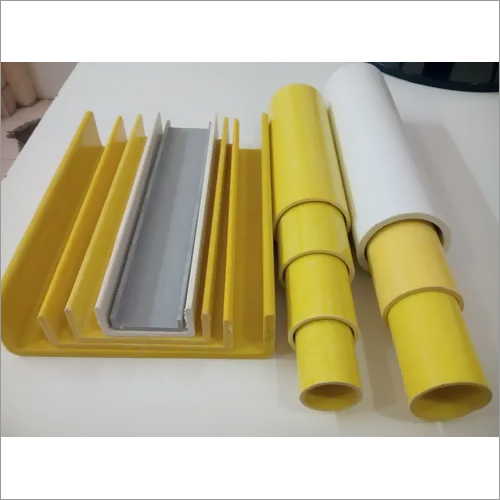
FRP Pultruded Sections
Price 160.0 INR / Kilograms
Minimum Order Quantity : 500 Kilograms, Kilograms
Material : Polyester Resin Vinylester Resin Epoxy Resin
Dimension (L*W*H) : customised As Per user requirement Millimeter (mm)
Application : Bus bar support Dry type transformer spacers 11kv / 33kv cross armspower and distribution transformers D.O fuse Telescopic rods Earthing Discharge rods Garden toolsSporting goods
Coating Type : UV resistant gel coat
GFRP Rebar For Jatka
Price 110.0 INR / Kilograms
Minimum Order Quantity : 500 Kilograms
Material : Glass Fiber Reinforced Polymer (GFRP)
Dimension (L*W*H) : Varies; common diameters: 8mm, 10mm, 12mm, 16mm, length as per requirement
Application : Construction reinforcement, bridge decks, roads, marine structures, concrete slabs and foundations
Coating Type : Epoxy or Sandcoated (optional)

MAILING ADDRESS :
1st FLOOR, GANDHI CHAMBERS,
GONDAL ROAD,
RAJKOT - 360 002 (GUJARAT) INDIA.
1st FLOOR, GANDHI CHAMBERS,
GONDAL ROAD,
RAJKOT - 360 002 (GUJARAT) INDIA.
Contact Us
FIBER TECH COMPOSITE PVT. LTD.
GST : 24AABCF5421C1ZB
GST : 24AABCF5421C1ZB

- Survey No. 20, 21, Village-Piplana Taluka-Kotada Sangani, Rajkot - 360002, Gujarat, India
- Phone : 08045478688
- Mr Ankit Vadalia (Director)
- Mobile : 08045478688
- Send Inquiry
 Send Inquiry
 Send Inquiry
 Send SMS
FIBER TECH COMPOSITE PVT. LTD.
All Rights Reserved.(Terms of Use)
Developed and Managed by Infocom Network Private Limited.
Developed and Managed by Infocom Network Private Limited.

